Download and Sign Up
Security guard mobile app for guards is available on both the Apple Store and Play Store.


















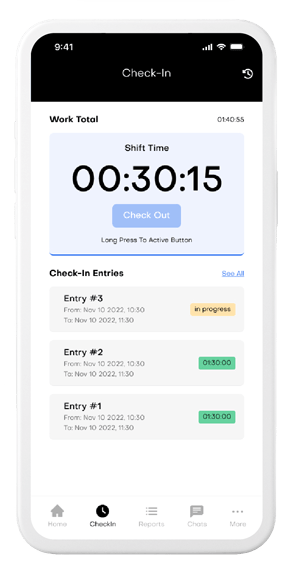



Security Guard App is packed with numerous features that help enhance data sharing and communication within your security team.

Security guard mobile and web app is everything your business needs to manage security teams and security guard operations remotely.







Security guard mobile app for guards is available on both the Apple Store and Play Store.

Turn on the GPS of your smartphone to select the location and start adding multiple sites.


Start inviting security guards to start collaborating and monitoring them seamlessly.


Originally intended as a massive expansion (Version 3.0), development was halted by the primary team due to a combination of internal burnout, mass leaks of unfinished content, and community controversies. Official Cancellation
Understanding the Sonic.exe 3.0 source code requires exploring its historical context, architectural mechanics, and its profound impact on the indie game development community. The Genesis of Version 3.0
As the search for the sonic.exe 3.0 source code continues, it's essential to consider the potential consequences of its release. If the code is genuine and made available, it could:
Smooth 60 FPS physics engines that accurately mimicked the Sega Genesis classics.
Logic for handling "faker" forms and true eldritch appearances (blue arms, separate eyes) is defined in the animation scripts.
This open architecture directly led to several major trends:
For new game developers, analyzing the available source code (decompilations, FNF mods, and public Sonic engines) is a powerful learning tool:
The game features new levels, a playable Tails segment, and multiple endings. Its antagonist — “X” — directly addresses the player via text files and glitches.
The Sonic.exe 3.0 phenomenon has given rise to a dedicated community of fans, who create and share their own stories, artwork, and fiction inspired by the game. This grassroots movement has contributed to the game's cult status, with Sonic.exe 3.0 becoming a cultural touchstone for discussions around digital horror and the power of user-generated content.
Version 3.0 was envisioned as a major structural overhaul. The developers aimed to: Expand the lore with branching narratives. Introduce complex asset management.
The Sonic.exe creepypasta was first written by JC-the-Hyena in 2011. The story describes a haunted CD-ROM of the original Sonic the Hedgehog that, when played, reveals a demonic, bloodthirsty version of Sonic—Sonic.exe—who terrorizes the other characters. It quickly became one of the most well-known video game creepypastas, alongside stories like Ben Drowned .
The developers embedded the creepypasta lore directly into the variable names. In most games, an enemy might be named Enemy_01 . In the Vs. Sonic.exe source code, the variables tell a story.
Do you need help to open the project files?
We help security guard companies overcome obstacles and maximize the power of their security operations effortlessly.




Security Guards And Clients Highly Appreciate
Security Guard App Features
Originally intended as a massive expansion (Version 3.0), development was halted by the primary team due to a combination of internal burnout, mass leaks of unfinished content, and community controversies. Official Cancellation
Understanding the Sonic.exe 3.0 source code requires exploring its historical context, architectural mechanics, and its profound impact on the indie game development community. The Genesis of Version 3.0
As the search for the sonic.exe 3.0 source code continues, it's essential to consider the potential consequences of its release. If the code is genuine and made available, it could: sonic.exe 3.0 source code
Smooth 60 FPS physics engines that accurately mimicked the Sega Genesis classics.
Logic for handling "faker" forms and true eldritch appearances (blue arms, separate eyes) is defined in the animation scripts.
This open architecture directly led to several major trends: Originally intended as a massive expansion (Version 3
For new game developers, analyzing the available source code (decompilations, FNF mods, and public Sonic engines) is a powerful learning tool:
The game features new levels, a playable Tails segment, and multiple endings. Its antagonist — “X” — directly addresses the player via text files and glitches.
The Sonic.exe 3.0 phenomenon has given rise to a dedicated community of fans, who create and share their own stories, artwork, and fiction inspired by the game. This grassroots movement has contributed to the game's cult status, with Sonic.exe 3.0 becoming a cultural touchstone for discussions around digital horror and the power of user-generated content. If the code is genuine and made available,
Version 3.0 was envisioned as a major structural overhaul. The developers aimed to: Expand the lore with branching narratives. Introduce complex asset management.
The Sonic.exe creepypasta was first written by JC-the-Hyena in 2011. The story describes a haunted CD-ROM of the original Sonic the Hedgehog that, when played, reveals a demonic, bloodthirsty version of Sonic—Sonic.exe—who terrorizes the other characters. It quickly became one of the most well-known video game creepypastas, alongside stories like Ben Drowned .
The developers embedded the creepypasta lore directly into the variable names. In most games, an enemy might be named Enemy_01 . In the Vs. Sonic.exe source code, the variables tell a story.
Do you need help to open the project files?
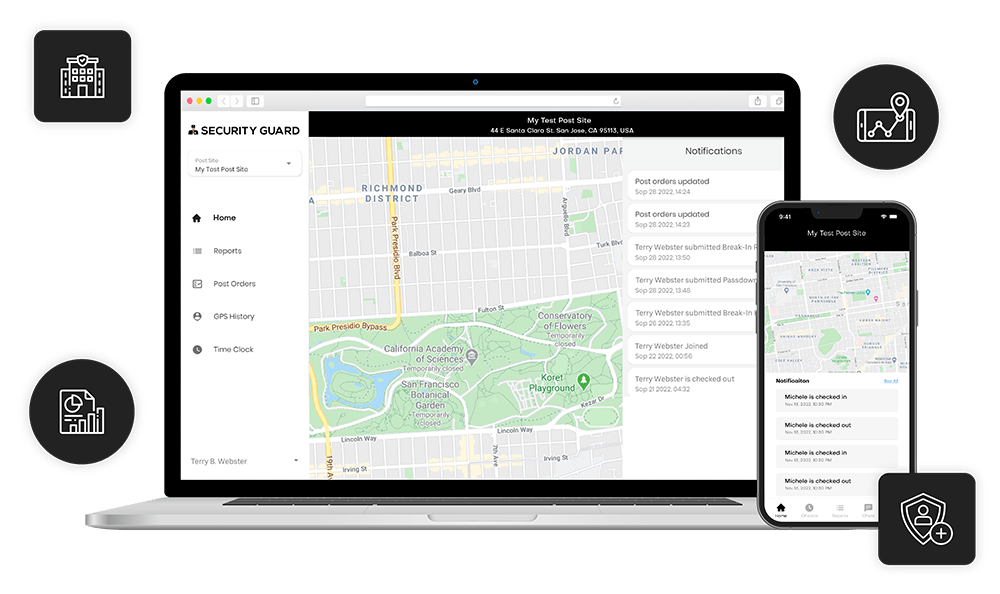






Compatible with Windows, Mac, Android, & iOS devices.