Zooskoolcom Updated |top| Page
An interactive metronome and speed trainer app with over 10 million downloads



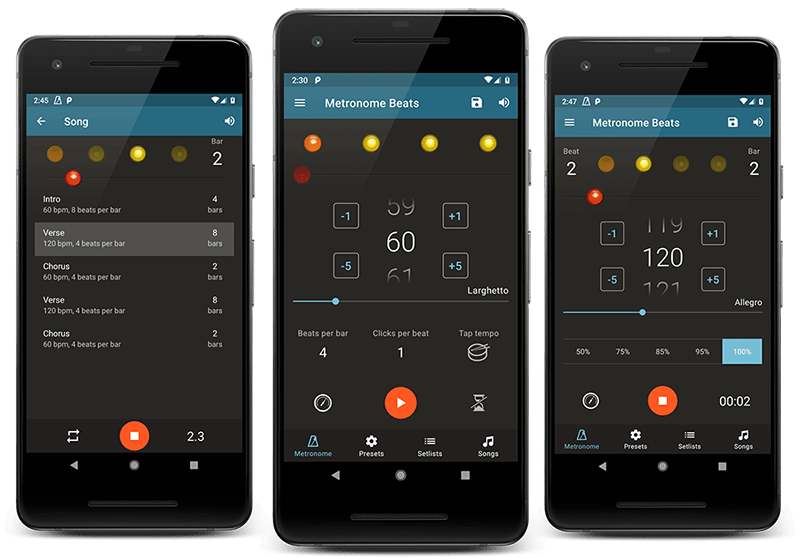
Need a timer or speed trainer? More features are included in the Metronome Beats Web App.
If you are looking to enter this field, the educational requirements vary by your end goal: Animal Behavior Option - B.S. | Millersville University
[ Ethology ] + [ Neuroscience ] + [ Pharmacology ] | [ Veterinary Behaviorism ] | +---------------------+---------------------+ | | [Behavior Modification] [Psychopharmacology] Behavior Modification Protocols
Before reaching for a trainer, check in with a vet. Tools like the Canine Acute Pain Scale are now used by owners to help quantify pain for their doctors. 2. The Era of the "Wearable Vet"
For decades, veterinary medicine and animal behavior operated in silos. Veterinarians focused almost exclusively on the physiology, pathology, and surgery of the animal. Meanwhile, behaviorists and trainers handled obedience, aggression, and psychological conditioning. zooskoolcom updated
Animal behavior and veterinary science are two sides of the same coin: one seeks to understand the "why" behind an animal’s actions, while the other provides the biological framework to sustain its life. Historically, they were separate paths, but today, they are merging into a holistic approach often called Behavioral Medicine 1. The Core Disciplines While they overlap, their primary objectives differ: Animal Behavior (Ethology):
Animals cannot verbally communicate physical discomfort. Instead, they communicate through changes in their daily routines, postures, and actions. For veterinary professionals and observant owners, a shift in behavior is often the very first clinical sign of an underlying medical issue. Pain and Aggression
This guide explores the intersection of animal behavior (ethology) and veterinary science, a field that has evolved from simple observation to a high-tech discipline critical for both animal welfare and medical diagnostics. 1. The Behavioral "Vital Signs" If you are looking to enter this field,
Zoosk frequently offers promotions, so checking the pricing page directly is recommended for the most current rates. Pros and Cons Large, active user base. Advanced matchmaking technology. Strong focus on safety and verification. User-friendly interface. Cons: Limited functionality for free members. Requires a subscription to communicate effectively. Final Thoughts
This schism created a dangerous gap in the 20th century. Veterinarians were trained to treat the body, while animal trainers and behaviorists were left to "fix the mind." The result? Millions of animals were euthanized for behavioral issues—fear, anxiety, aggression—that were, in fact, symptoms of undiagnosed medical pain or discomfort.
Neurotransmitters like serotonin, dopamine, and gamma-aminobutyric acid (GABA) regulate an animal's emotional baseline. When environmental modification and training fail to rehabilitate a highly reactive or phobic animal, veterinary behaviorists step in with psychotropic medications. When anxiety or aggression is severe
Fake login screens or survey walls are commonly used to capture personal credentials and financial data.
When anxiety or aggression is severe, behavior modification alone may not work. Veterinary science utilizes targeted medications to balance brain chemistry:
In the best modern clinics, a behavioral assessment is now considered the "sixth vital sign"—joining temperature, pulse, respiration, pain score, and blood pressure.
Download now to get started!