Fundamental Electrical Troubleshooting Dan Sullivan Pdf 80l !full!

Humidity is a measure of the amount of water vapor in the air. Relative humidity measures the amount of water in the air in relation to the maximum amount of water vapor (moisture). The higher the temperature, the more water vapor the air can hold. Relative humidity is what your morning weather reporter would refer to.

WHERE DOES HUMIDITY
COME FROM?


Humidity is a natural part of our atmosphere, it comes from the amount of water vapor in the air. Water vapor enters the atmosphere by evaporating from the large bodies of water on the Earth’s surface including lakes, oceans, and seas.


DID YOU KNOW:

97%1 of the Earth’s water can be found in our oceans2.

It is an integral part of the water cycle, as water vapor is continuously generated by evaporation and removed by condensation. When the temperature is higher, the air can hold more water vapor, meaning that the warmer the climate, the higher the humidity level can be.

For example, a densely saturated amount of air may contain 0.9oz of water per cubic meter at 86F, but only 0.2oz of water per cubic metre of air at 46°F3.

BIG-CLOUD-03
HOW TEMPERATURE
AFFECTS INDOOR
HUMIDITY
LEVELS

Colder air cannot handle as much moisture as warmer air. Temperature in relation to humidity is important, especially as we spend 90% of our time indoors. Consider for example a winters day. The outdoor air could have a 100% relative humidity at 41°F, and therefore contain 0.2 grams of water. Indoors however, 41°F would be very uncomfortable, so we would warm it up. When the outdoor air is heated up to 73°F indoors, the absolute amount of water in the air is still the same. But since warmer air can hold more water, the relative humidity goes down to 33%.

On the other hand, warm air can handle more moisture than cooler air. For example, a warm and humid summer with 80% humidity at 86°F, would mean that the outdoor air contained 0.8oz/m3 of water. In our homes, 86°F would be very uncomfortable so many would use air conditioners to cool it down again. If you cool it down to below 78.8°F, the relative humidity level goes to 100% and the water condenses (The dew point). That is why air conditioning systems often have a dehumidifier built-in. Without them, your walls in the home would be soaking wet during the summer.

A 100% relative humidity level would mean that the air is completely saturated with water vapor. Unable to hold any more, it would rain.

HOW TEMPERATURE
AFFECTS INDOOR
HUMIDITY
LEVELS

scale-illustration (1)

1Weather

Colder climates often have lower humidity levels than warmer climates as colder air holds less moisture than warm air. In winter, humidity levels tend to be typically lower. Whereas in summer, humidity levels will be higher, as air can hold more water vapor at a higher temperature.


2Everyday actions

Small everyday tasks can affect humidity levels. Cooking, cleaning, dishwashing, breathing, clothes washing, showering, and other indoor processes release moisture into the indoor air, making indoor humidity levels rise.

WHAT CAUSES
CHANGES
IN HUMIDITY LEVELS?


Healthy indoor relative humidity levels are between 30-60%

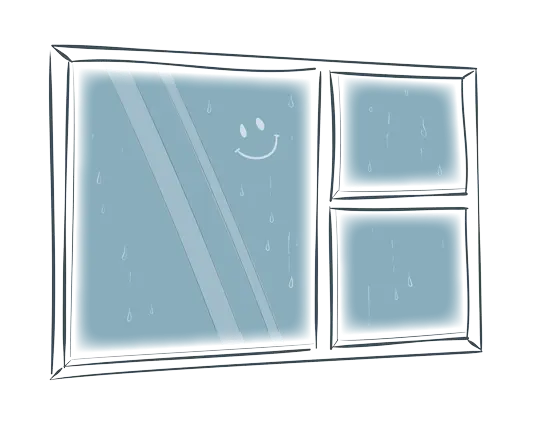
HUMID_20WINDOW


WHY IS MAINTAINING A
HEALTHY HUMIDITY LEVEL
IMPORTANT?

Maintaining healthy humidity levels inside your house is vital. As explained below, poor humidity levels can have an impact on your health and the house itself. Too much humidity can cause dampness and mold, too little means the air becomes dry and uncomfortable.

Fundamental Electrical Troubleshooting Dan Sullivan Pdf 80l !full!

Dynamic testing using LOADpro Test Leads to place a temporary load on the wire. Disconnecting terminals (clears volatile module memory)

Many professionals and students look for digital copies of this manual online—often using highly specific search terms like . This comprehensive article breaks down the core concepts taught in Dan Sullivan's book, explains how it revolutionizes traditional electrical diagnostics, and explores the tools and methodologies that make his training so effective.

[Battery Power Source] ───► [Switches / Relays] ───► [Load / Component] ───► [Ground Return] │ │ └─────────────────► (Voltage Drop Zone) ◄─────────────┘

Locate the circuit diagram. Identify the source of power, the protection devices (fuses/breakers), the control devices (switches/relays), and the load (motors/lights). Trace the path that current must travel to complete a full loop back to the ground or neutral side. Step 3: Check the Power Source First

You move progressively through switches, fuses, and connectors. You divide the circuit in half to isolate the problem area. Fundamental Electrical Troubleshooting Dan Sullivan Pdf 80l

A safe and effective LOTO process involves these key steps:

If you are looking to deepen your diagnostic skills, let me know how you would like to proceed:

To successfully troubleshoot any electrical system, you must understand how the three primary electrical properties interact. These are governed by Ohm’s Law. Voltage (

: It is spiral-bound with a plastic cover, allowing it to lay flat on a toolbox or engine while resisting oil and grease. Dynamic testing using LOADpro Test Leads to place

) to instantly expose hidden corrosion, green crust, or failing grounds that normal meters miss. 3. Reading Schematics Efficiently

If voltage is correct, the fault lies further down towards the ground.

The component doing the work (motors, lights, solenoids, heaters).

While the original is a training booklet or course handout, the PDF version (often titled “80L”) remains popular in shop floors and trade schools because it fits in a toolbox – digitally or printed. Step 3: Check the Power Source First You

: Use a meter to find the specific faulty circuit.

If a heavy copper power wire is frayed down to a single strand, an ohmmeter will see that single strand and report a low, healthy resistance.

Troubleshooting Like a Pro: A Guide to Dan Sullivan’s Fundamental Electrical Troubleshooting

EASY HUMIDITY SOLUTIONS

Simple solutions can help to improve indoor humidity levels in your home. The most important and often the most effective is good ventilation.

In areas of localized high humidity, such as the bathroom and kitchen, use bathroom and range hoods to circulate and extract the air. Opening windows to allow fresh air into your home is also a simple and well-known solution.

By monitoring daily, you can ensure that you achieve the right humidity levels for your home inclusive of common humidity fluctuations and extraneous variables.

easy-humidity-solutions

WHAT DO MY HUMIDITY
LEVELS MEAN?

Please note, humidity is best considered in relation to temperature. For example, if you have 50% humidity as well as below freezing temperatures outside, you would naturally heat the air up indoors to keep warm. Because of this, condensation can form and you would have a heightened risk of mold formation.

≥70%

Poor high humidity levels. Try making changes such as:

  • Running a dehumidifier
  • Open windows for an hour or two on dry days

≥60% and <70%

Fair humidity levels, keep monitoring

≥30% and <60%

Maintain your healthy levels

≥25% and <30%

Fair humidity levels, keep monitoring

<25%

Poor low humidity levels:

  • Try drying clothes indoors using a drying rack rather than a tumble dryer. Ensure that you have plenty of ventilation when doing so
  • Decreasing your indoor temperature could help, if possible, but make sure to keep above 15°C
  • In cold climates, using eye drops and lotion to alleviate itchy eyes and dry skin
  • Open the door while showering to help spread the humidity from the shower
  • If you have active ventilation, you can decrease the ventilation at the expense of higher CO2

CHOOSE THE 
HUMIDITY MONITOR
THAT IS RIGHT FOR YOU

Airthings Wave Plus

Airthings Wave Plus >

Get total indoor air quality monitoring, including humidity, with the Wave Plus. 

Airthings Wave Mini

Airthings Wave Mini >

Wave Mini is the perfect first step into understanding the humidity, health and comfort level in every room.

Sources:

  1. oceanservice.noaa.gov
  2. oceanservice.noaa.gov/facts/oceanwater.html
  3. en.wikipedia.org
  4. annualreviews.org/doi/10.1146/annurev-publhealth-031816-044420
  5. lung.org/clean-air/at-home/indoor-air-pollutants/dust-mites
  6. niehs.nih.gov/health/topics/agents/allergens/dustmites/index.cfm
  7. ncbi.nlm.nih.gov/pubmed/23023409
  8. sciencedaily.com/releases/2018/03/180307095222.htm
  9. nationaleczema.org/eczema-in-winter/
  10. sciencedaily.com/releases/2009/02/090209205148.htm